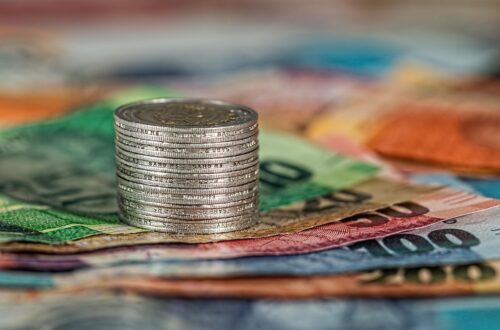
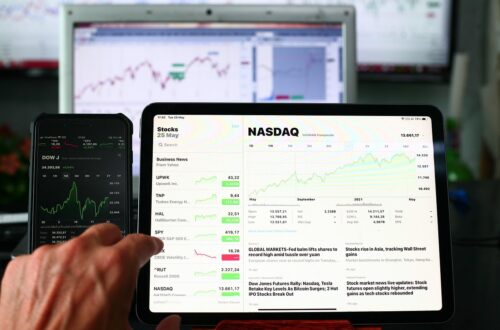
Commodities are the raw materials and basic goods that are traded all over the world. They include metals like gold and silver, energy resources such as oil and natural gas, and agricultural products like wheat, coffee, and cotton. Understanding commodities is essential for investors because they can diversify a portfolio, provide a hedge against inflation, and offer exposure to real-world economic trends. Commodities are also one of the earliest forms of investment. Long before modern financial markets existed, farmers would sell part of their harvest in advance to secure income and reduce uncertainty about whether their crops would find buyers. This practice created the foundation of what we now know as commodity trading.
This article is part of our Financial Basics series, where we explore the foundation of money management. Step by step, we explain how financial products work, why they matter, and how to use them wisely in everyday life.
The Origins of Commodity Trading
Commodity trading has a long and fascinating history. One of the earliest organized markets was the Dōjima Rice Exchange in Japan, established in the 17th century. Samurai were often paid in rice, and farmers needed a way to sell their crops ahead of time to ensure they would receive payment even after bad harvests. This system evolved into early futures contracts, allowing both producers and buyers to reduce uncertainty. Over time, this concept spread and became the basis for modern commodity markets. These historical roots show that commodities have always been closely tied to the real economy, providing stability and security in a world full of unpredictable events.
Types of Commodities
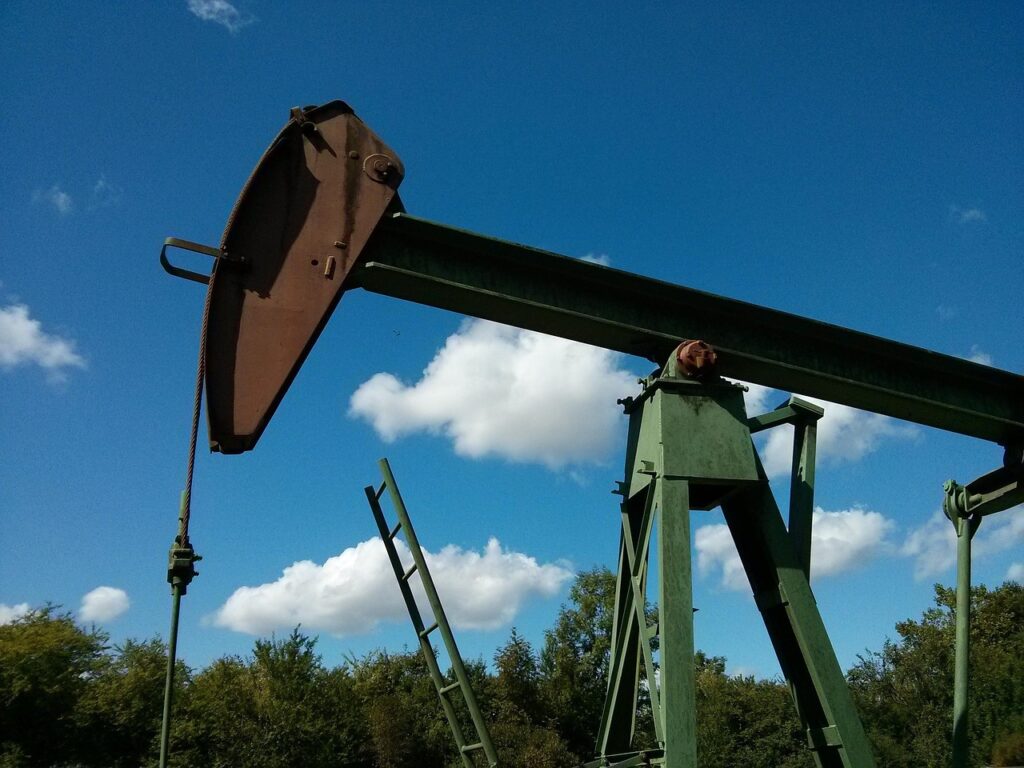
Commodities can be divided into two main categories. Hard commodities are natural resources that are mined or extracted, such as gold, silver, oil, and natural gas. Soft commodities are agricultural products or livestock that are grown or raised, like wheat, coffee, cotton, and cattle. Investors can gain exposure to these commodities in different ways, including physical ownership, futures contracts, or investment funds that track commodity prices. Each commodity behaves differently and is influenced by various elements. Supply and demand, global economic conditions, and environmental factors. This makes it important to understand the unique characteristics of each asset before investing.
Risks and Rewards of Commodities
Investing in commodities can be rewarding, but it also comes with risks. Prices are often volatile, affected by weather events, natural disasters, political tensions, and shifts in global demand. This means that commodities can rise or fall quickly, offering potential gains as well as potential losses. For example, gold is often considered a safe haven during times of uncertainty. Oil and agricultural products can fluctuate sharply due to changing supply or market sentiment. Commodities are not about chasing quick wins; they are about understanding their behavior over time and using them thoughtfully within a diversified strategy.
How Commodities Fit Into a Diversified Portfolio
One of the main reasons investors include commodities in their portfolio is to reduce overall risk. Commodity prices don’t always move in the same direction as stocks or bonds, which helps balance a portfolio during periods of market volatility. They also serve as an effective hedge against inflation, as rising prices for everyday goods often push commodity prices higher. For long-term investors, commodities are not meant to replace stocks or bonds but to complement them. They provide a broader foundation for your portfolio and help you navigate the ups and downs of financial markets with more confidence and stability.
Getting Started with Commodity Investing
For those looking to start investing in commodities, there are several options. Some investors buy physical commodities, like gold bars or barrels of oil. Others use futures contracts, which are agreements to buy or sell a commodity at a set price on a specific date. A simpler approach for many is to invest through commodity-focused ETFs or mutual funds. They provide exposure to a basket of commodities without the complexity of direct ownership. Whatever approach you choose, it’s important to consider your financial goals, risk tolerance, and time horizon before investing.
Disclaimer
This article provides general educational information and does not constitute financial advice. Investments carry risks, including the potential loss of capital. Please consider your individual situation and seek professional advice before making financial decisions.